
Dexko Global
Measuring a Leaf Spring
Identify the right replacement spring by checking the six key measurements used by spring professionals: spring type, main leaf length, width, pack thickness, arch, and leaf count.
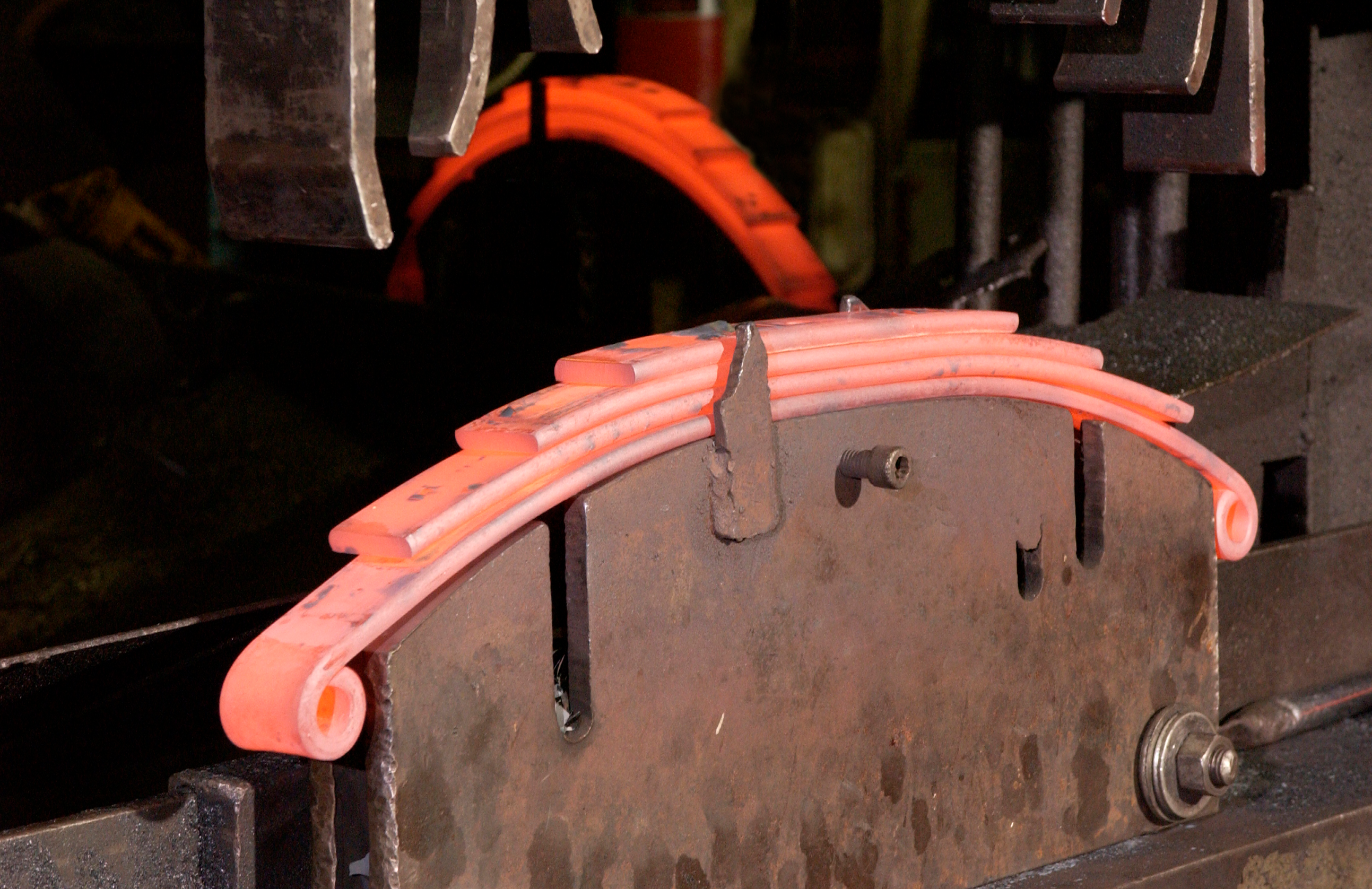
Accurate measurements help ensure the right replacement
Leaf springs are engineered suspension components that help determine ride height, load support, and overall suspension geometry. Taking careful measurements before selecting a replacement helps reduce fitment issues and supports safer, more predictable performance.
Ride quality
A spring that is too stiff can create a harsh ride, while one that is too soft may allow the vehicle to bottom out more easily.
Ride height
Incorrect sizing can cause the vehicle or trailer to sit too high or too low, which can affect appearance, clearance, and handling.
Safety and handling
Mismatched spring rates can contribute to unpredictable handling, especially during cornering, braking, or when carrying a load.
Component wear
A poorly matched spring can place added stress on surrounding suspension components, leading to premature wear or damage.
Gather your tools before measuring
Before working around the suspension, make sure the vehicle is secure and your measurements can be recorded clearly. Having the right tools ready helps make the process safer, faster, and more accurate.
Measuring tape
Use a standard measuring tape to capture spring length, width, arch, and related dimensions.
Jack and jack stands
Use jack stands to support the vehicle after lifting it. Never rely on the jack alone while working underneath.
Wheel chocks
Place wheel chocks before lifting to help prevent the vehicle or trailer from rolling.
Notes or digital notepad
Record each measurement as you go so the information is ready when comparing replacement parts.
Helper, if available
A second person can make longer measurements and spring eye measurements easier to confirm.
Safety glasses and gloves
Protect your eyes and hands from dirt, debris, sharp edges, and old hardware.
Penetrating oil
Use WD-40 or another penetrating oil to help loosen rusted bolts or components when needed.
Six factors to identify a leaf spring
Collecting these details helps narrow the spring type, dimensions, and construction before selecting a replacement. Use the A-F diagram key below as a reference while completing the measurement checklist.
Length dimension
Width dimension
Arch height
Tie bolt / lock dimension
Stack height
Eye diameter
Spring Type
Determine whether it is a taper/parabolic spring or a multi-leaf spring. A taper or parabolic spring typically has leaves that are the same length, thick in the middle, and tapered toward the ends.
A multi-leaf spring has many leaves, generally the same thickness, that are cut shorter as they get lower in the pack.
Main Leaf Length
Measure from the bolt in the center of the spring to the center of the eye in both directions. Be sure to measure along the curve of the spring for an accurate measurement.
In some cases, a spring may not have eyes. In that situation, measure the length of the longest leaf in each direction from the center bolt, or measure to the inside of the hooks from the center bolt, as applicable.
Spring Width
Measure the width of the spring at the center bolt.
Pack Thickness
Measure the thickness of the spring down its side at the center bolt.
Spring Arch
Imagine a straight line extending from one eye to the other. The spring arch is the distance from the center bolt, including the center bolt, to that line.
Number of Leaves
Count the leaves in the spring assembly and note whether the assembly includes multiple stages. If the spring has leaves with different specifications, record how the stages are grouped.
Leaf spring attaching hardware
When replacing or identifying a leaf spring, inspect the attaching hardware as well. Worn, damaged, or mismatched hardware can affect fitment, alignment, and suspension performance.
U-bolts
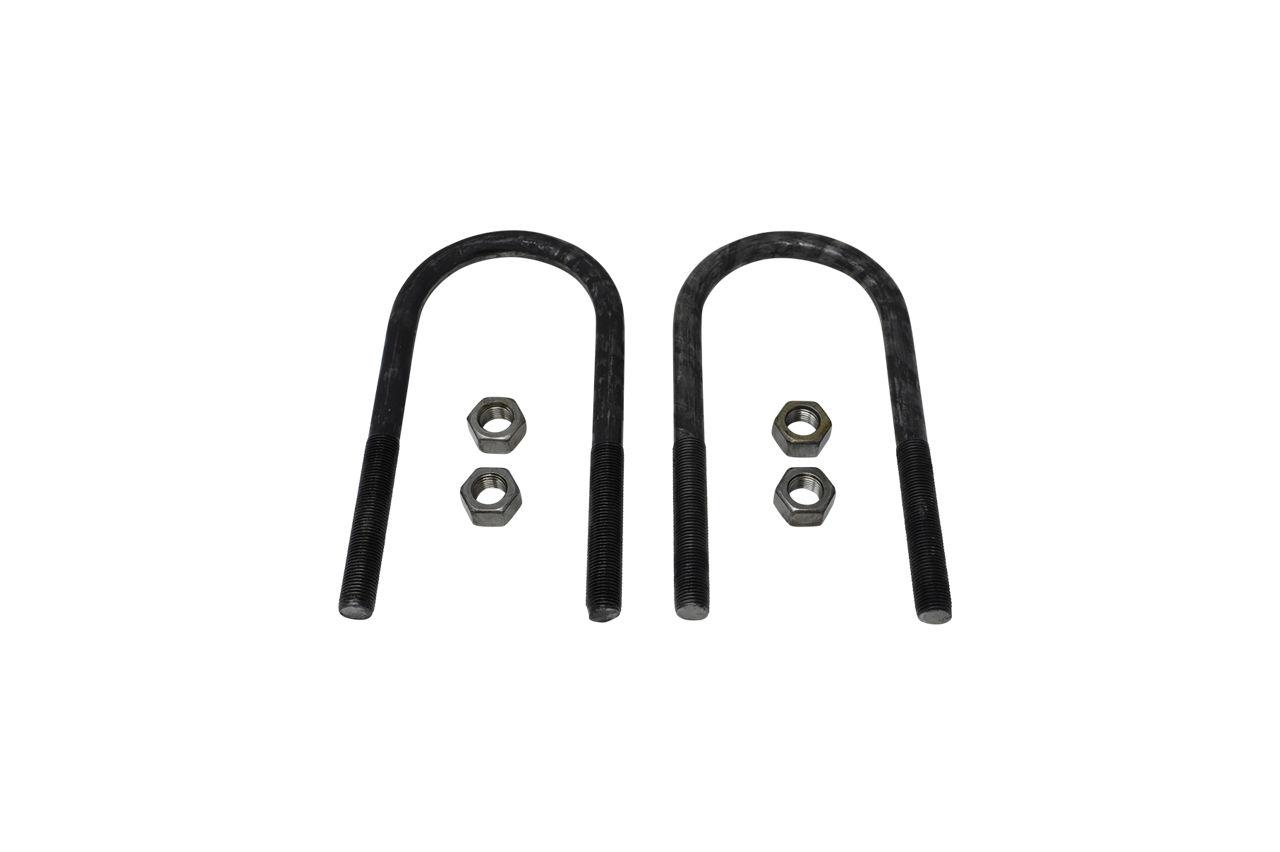
U-bolts clamp the spring assembly to the axle. Check diameter, length, bend shape, thread length, and overall condition before replacing.
Shop U-Bolts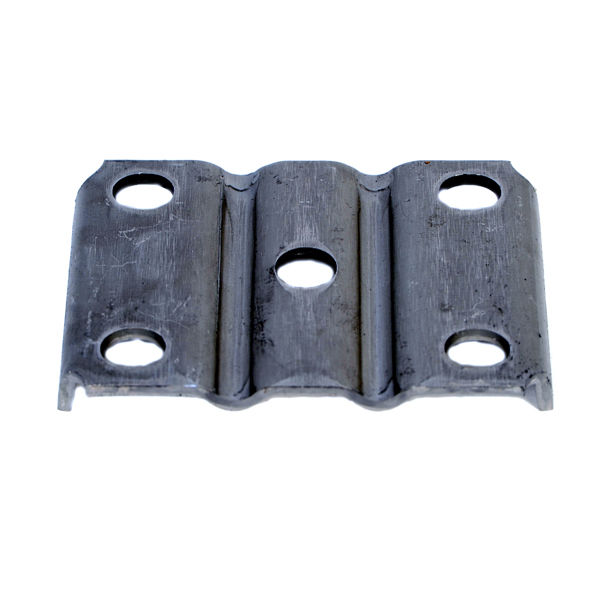
Tie plates
Tie plates distribute clamping force from the U-bolts and help secure the spring to the axle seat. Confirm bolt spacing and plate dimensions.
Shop Tie Plates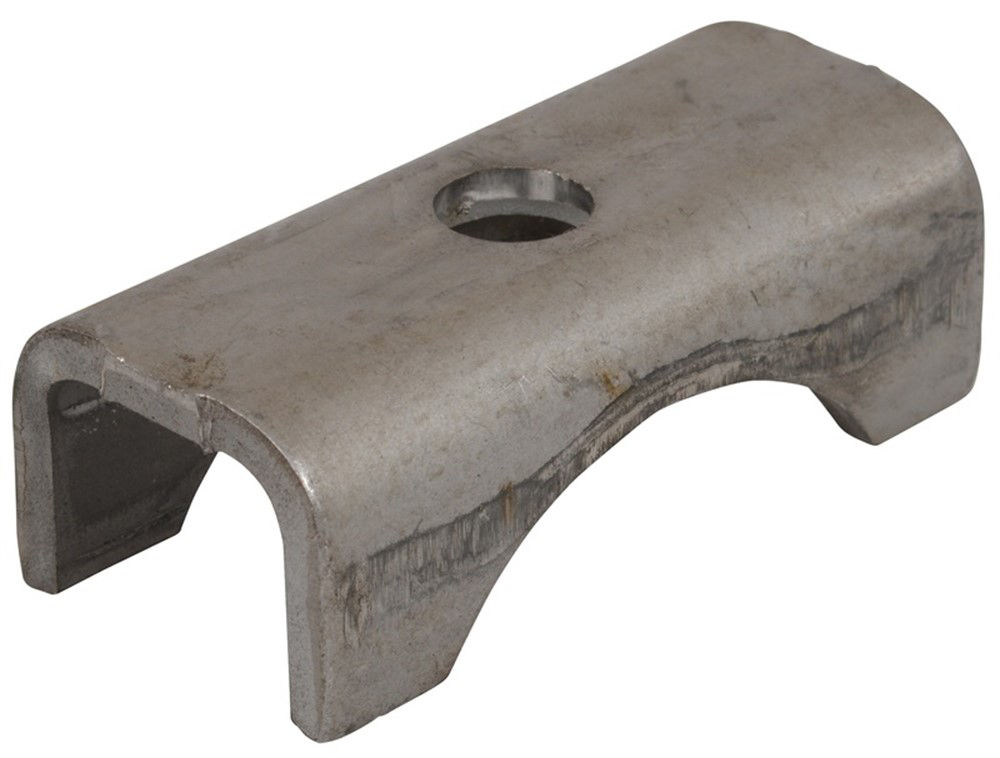
Spring seats
Spring seats position the leaf spring on the axle. Inspect for wear, corrosion, cracking, or alignment issues when servicing the suspension.
Shop Spring Seats
Hanger kits
Hanger kits include key mounting components used to attach and position the spring suspension to the trailer frame.
Shop Hanger Kits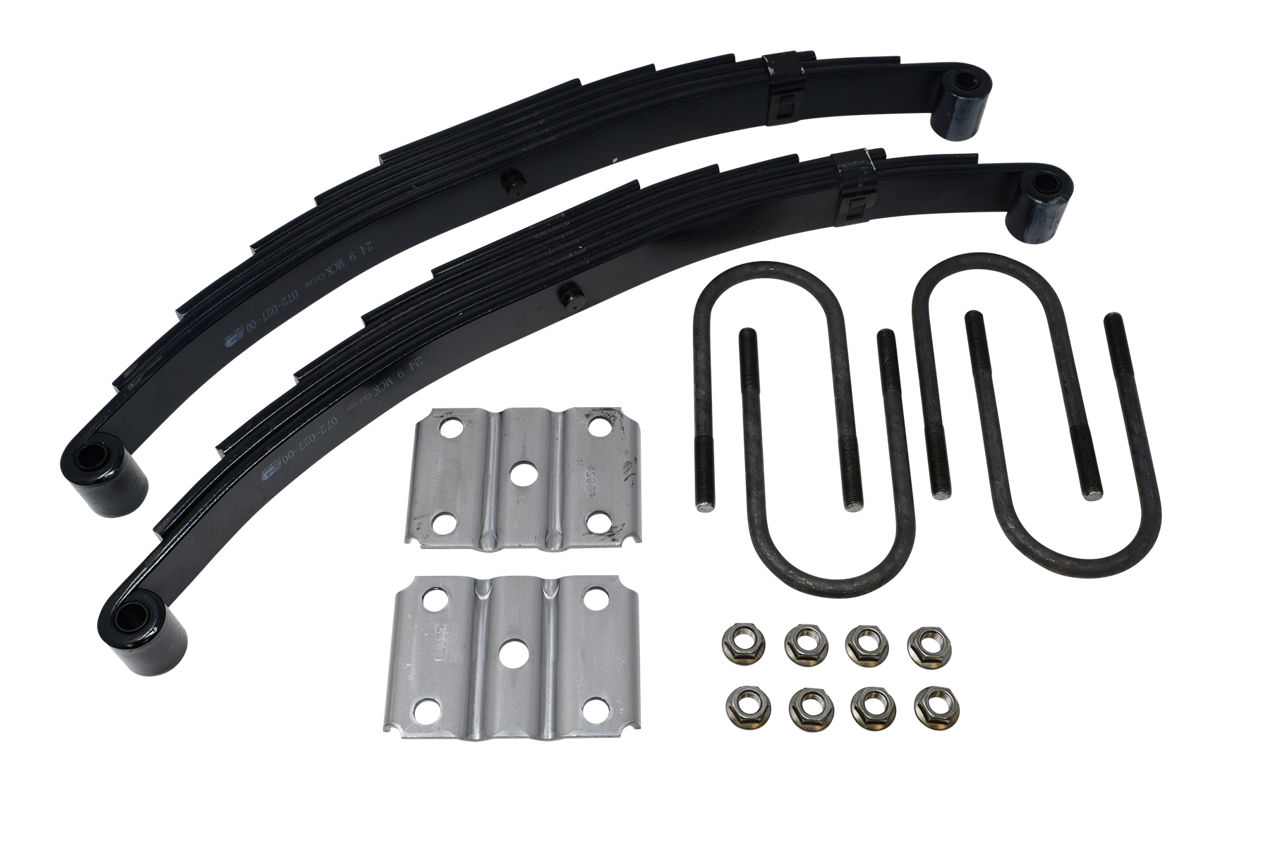
Replacement spring kits
Use a replacement spring kit when servicing the spring assembly and related hardware together for a more complete repair.
Shop Replacement Spring KitsReview leaf spring attaching hardware
Watch this video as an additional reference for U-bolts, tie plates, spring seats, hanger kits, and related installation components.
Need help identifying a spring?
Use your measurements to narrow your search or contact a Dexter representative for help selecting the right replacement.